

Understand what is litigation, its stages, and how legal disputes are resolved in the US court system. Get clear insights into civil lawsuits.
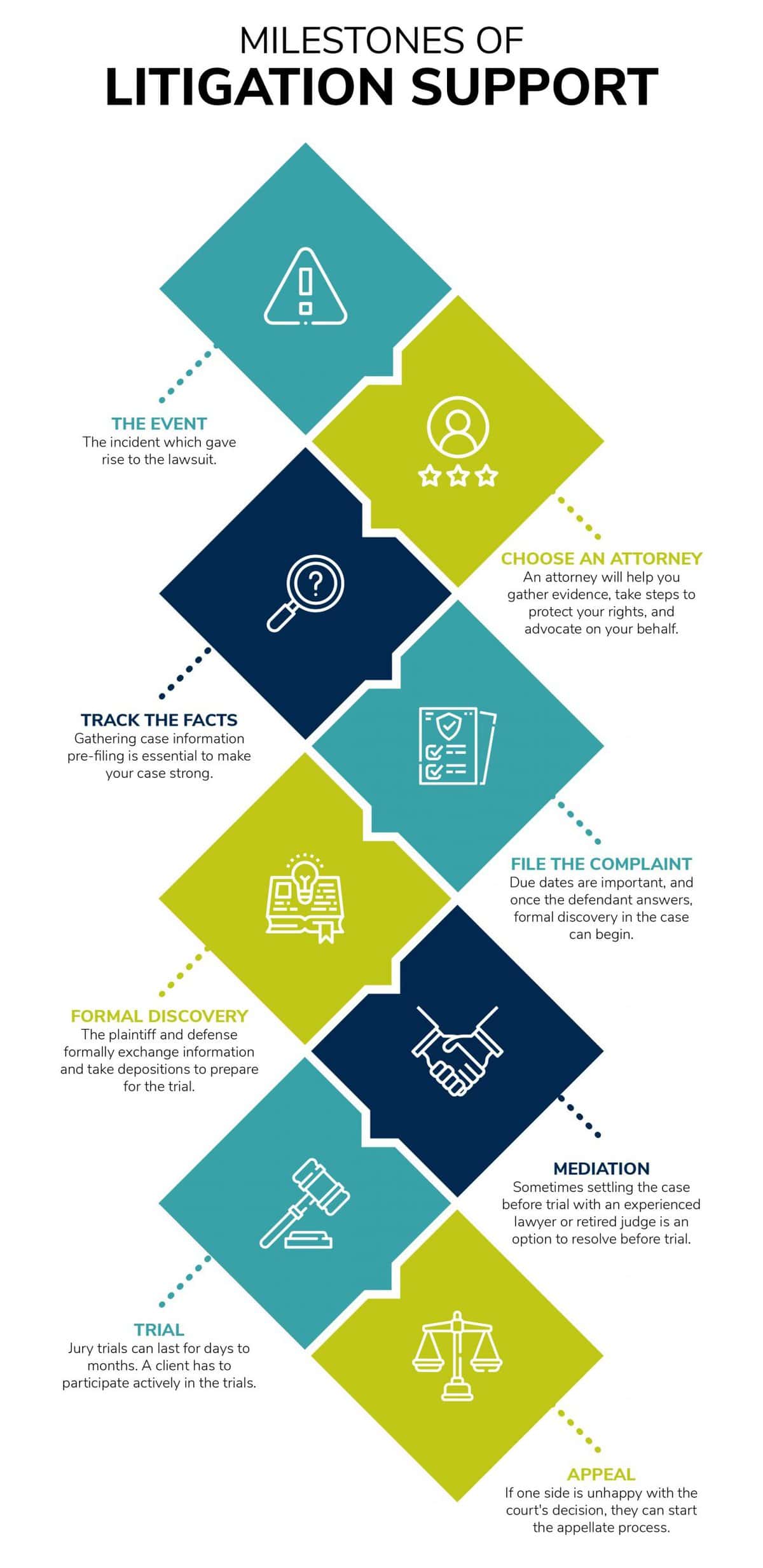
Litigation refers to the process of bringing a lawsuit against someone in court. It is the formal legal dispute resolution process where parties present their arguments to a judge or jury. This method is used when individuals, businesses, or government entities cannot resolve disagreements informally. Understanding what is litigation is key to comprehending how many disputes are settled within the legal framework.
Overview
- Litigation is the formal process of resolving legal disputes through the court system.
- It typically involves two or more parties presenting their cases to a judge or jury.
- The process can be lengthy, involving pre-trial stages like discovery and negotiations.
- Many lawsuits ultimately resolve through settlement rather than a full trial.
- Key players include plaintiffs, defendants, attorneys, judges, and sometimes juries.
- The goal is to achieve a legally binding resolution, whether through judgment or agreement.
- Cases range from personal injury and contract disputes to environmental and intellectual property issues.
- The US legal system categorizes these disputes largely as civil matters.
Defining What Is Litigation and Its Purpose
What is litigation at its core? It’s the mechanism by which legal rights are enforced or defended in a court of law. This formal process begins when one party, the plaintiff, files a complaint against another, the defendant. The complaint outlines the alleged wrong and the relief sought, often monetary damages or an injunction.
The primary purpose of this legal action is to resolve disputes that cannot be settled amicably. It provides a structured environment for examining evidence, hearing arguments, and applying established laws. For many, it serves as a last resort, but it is a fundamental pillar of justice in the US. The court ensures fairness and adherence to legal principles throughout the proceedings. This structured approach aims to provide clarity and finality to complex disagreements.
The Stages of a Civil Lawsuit
A typical civil lawsuit in the US progresses through several distinct stages. Initially, the plaintiff files a complaint, formally starting the legal process. The defendant then receives notice of the lawsuit, known as service of process, and must respond, often with an answer denying the allegations.
Following these initial pleadings, the “discovery” phase begins. During this lengthy stage, both parties exchange information, evidence, and witness lists. They might conduct depositions, written interrogatories, and requests for documents. This period allows each side to understand the strengths and weaknesses of the other’s case. Many cases settle during or after discovery, as parties gain a clearer picture of potential outcomes. If no settlement is reached, the case moves towards trial, where evidence is presented and arguments made before a decision-maker.
Key Players in What Is Litigation
Several individuals play crucial roles throughout the litigation process. The plaintiff is the party initiating the lawsuit, seeking some form of legal remedy. Conversely, the defendant is the party against whom the lawsuit is filed. Both sides are typically represented by attorneys. These legal professionals guide their clients through the complex rules of procedure and evidence. They prepare legal documents, conduct negotiations, and represent their clients in court.
Judges preside over court proceedings, ensuring fairness and interpreting the law. They make rulings on legal questions and objections. In some cases, a jury, composed of citizens, decides factual matters and delivers a verdict. Understanding the roles of these key players helps clarify how a legal dispute progresses from filing to resolution.
Resolving Disputes: Outcomes of What Is Litigation
The resolution of what is litigation can take several forms, not all of which involve a full trial. Many cases reach a settlement agreement before ever seeing a courtroom verdict. This can happen at any point, from early negotiations to just before trial. A settlement is a mutual agreement between the parties to resolve the dispute, often involving a payment or specific actions. It provides certainty and avoids the risks and costs of trial.
If a case proceeds to trial, the judge or jury renders a decision. This decision is legally binding and dictates the outcome, such as awarding damages or issuing an injunction. The losing party may have the right to appeal the decision to a higher court. Appeals challenge legal errors made during the trial. Regardless of whether it’s a settlement or a verdict, the end goal of litigation is to provide a definitive resolution to the dispute.


