

Common law remains a foundational pillar of many legal systems around the world, particularly in countries with a British colonial heritage. Even in the contemporary legal landscape, where statutes and regulations abound, the principles of common law modern courts continue to guide judicial reasoning and shape legal outcomes. It is a dynamic system, constantly adapting to societal changes while respecting established legal traditions. This framework ensures consistency and predictability in legal rulings, a crucial aspect of any fair justice system.
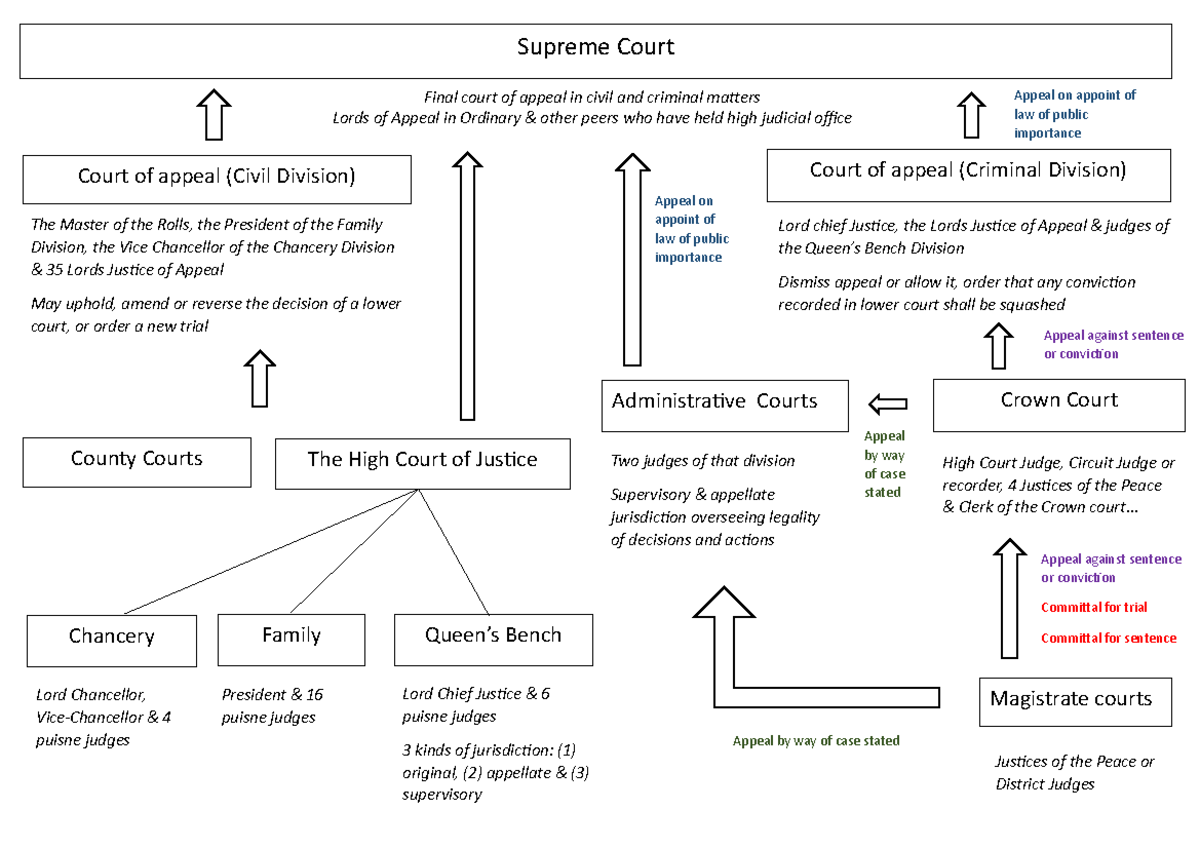
Overview
- Common law originates from judicial decisions rather than legislative enactments.
- The principle of stare decisis, or adherence to precedent, is central to how common law operates.
- Modern courts apply common law alongside statutory law, interpreting legislation and filling legal gaps.
- Judges in the US and other common law jurisdictions regularly refer to past rulings to decide current cases.
- Common law evolves over time as courts address new situations and societal values shift.
- It ensures a degree of flexibility in the legal system, allowing it to adapt without constant legislative intervention.
Foundations of Common Law Modern Courts
Common law emerged from England’s royal courts in the Middle Ages. Unlike codified civil law systems, it developed organically through judicial rulings. These early decisions created a body of law applied universally, hence “common” law. This historical groundwork still profoundly influences common law modern courts. Judges interpret and apply legal principles established over centuries, building upon a rich tapestry of judicial wisdom.
In the US, for example, common law forms the basis of many legal areas, including torts (civil wrongs), contract law, and property law. Even when statutes exist, courts often look to common law principles for interpretation or to address issues not explicitly covered by legislation. This blend of historical precedent and modern application defines how common law functions today. It provides a flexible yet structured approach to legal problem-solving, ensuring continuity while allowing for necessary adaptations. The structure allows for gradual legal evolution, guided by practical experience in actual disputes.
How Common Law Interacts with Statutes
While common law provides a bedrock, modern legal systems heavily rely on statutory law. Statutes are written laws enacted by legislative bodies, such as Congress or state legislatures. In many areas, statutes have codified or even superseded common law principles. However, this does not diminish common law’s role. Instead, it creates an intricate interplay.
Courts are frequently tasked with interpreting statutes. When a statute is ambiguous or incomplete, judges often turn to common law principles to clarify its meaning or to fill gaps. Common law acts as a default system, providing rules when no specific statute applies. For instance, while most states have detailed laws about negligence, the underlying framework often comes from common law tort principles. Legislative bodies can always modify or abolish common law rules through new statutes. This legislative supremacy ensures that the will of the elected representatives ultimately prevails, but common law provides the interpretive lens and foundational principles.
The Role of Precedent in Common Law Modern Courts
The core of common law is the doctrine of stare decisis, meaning “to stand by things decided.” This principle dictates that courts should follow decisions made in previous similar cases. When a court decides a legal issue, that decision becomes a precedent, guiding or binding future courts in cases with similar facts. This ensures consistency and predictability in the legal system. Litigants can better anticipate how a court might rule, fostering fairness and order.
In common law modern courts, precedent operates on a hierarchical basis. Decisions by higher courts (like a state supreme court or the US Supreme Court) are binding on lower courts within the same jurisdiction. Decisions from courts in other jurisdictions may be persuasive but are not binding. This systematic reliance on past rulings reduces arbitrary decision-making and provides a stable framework for legal development. Lawyers argue not only based on statutes but also extensively on how similar cases were decided in the past, highlighting the ongoing power of judicial history.
Evolving Principles in Common Law Modern Courts
Despite its reliance on history, common law is not static. Common law modern courts constantly adapt its principles to fit new societal realities, technological advancements, and evolving ethical standards. Judges do not just mechanically apply old rules; they interpret them in light of contemporary circumstances. This dynamic quality prevents common law from becoming outdated and ensures its continued relevance. For example, concepts of privacy have expanded dramatically with the advent of digital technologies, requiring courts to adapt traditional common law protections.
Judicial decisions can create new common law principles or modify existing ones to reflect changes in public policy or constitutional interpretations. This process of evolution often involves careful reasoning and distinction-making between cases. While respecting precedent, judges can sometimes overrule past decisions if they are deemed unjust or no longer appropriate for modern society. This adaptability allows common law to remain a living body of law, responsive to the needs of the people it serves. This flexibility is a key strength of common law systems, providing continuous legal refinement.


