

Seeking free legal advice resources? Learn where to find trustworthy help for common legal questions in the US. Get expert guidance without cost.
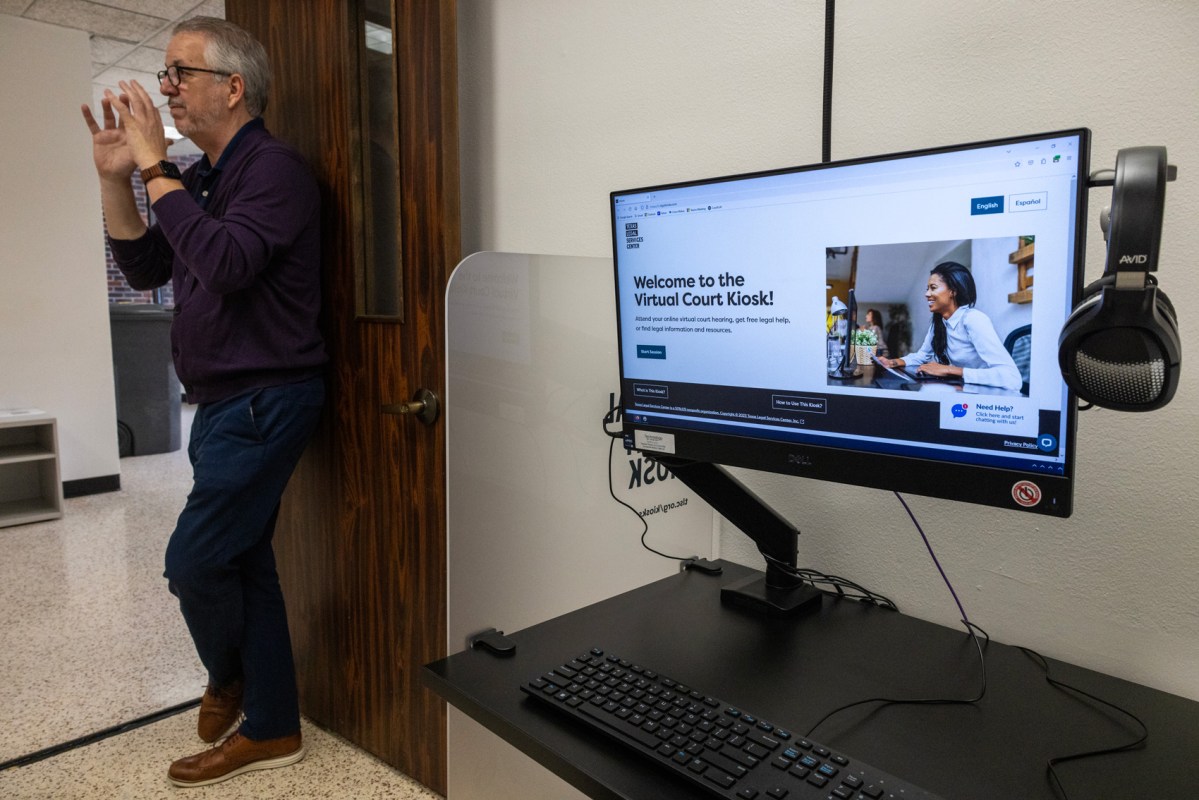
Finding reliable legal guidance without incurring significant costs can seem challenging, but numerous legitimate options exist for individuals needing assistance. These resources cater to various needs, from simple questions to representation in specific types of cases. Understanding where to look and what type of help is available can make a substantial difference for those facing legal issues in the US. This article outlines key avenues for obtaining no-cost legal support, emphasizing both local and national options.
Overview
- Legal aid organizations offer free or low-cost services based on income.
- Pro bono programs connect individuals with volunteer attorneys for specific cases.
- Online platforms provide general legal information and attorney directories.
- Law school clinics offer supervision by professors for student-provided services.
- State and local bar associations often host referral services and limited free consultations.
- Court-based self-help centers assist with forms and procedural questions.
- Specialized non-profits address particular legal areas like immigration or domestic violence.
- Some government agencies provide advice related to their specific mandates.
Accessing Local and Community Free Legal Advice Resources
Many communities across the US host organizations dedicated to offering free legal advice resources. Legal aid societies are prominent examples. These non-profit entities provide services to individuals and families with limited incomes. They handle a wide range of civil matters, including housing, family law, public benefits, and consumer issues. Eligibility typically depends on income guidelines, which vary by location and program.
To find local legal aid, searching online for “legal aid [your city/state]” is effective. Many states also have statewide legal aid websites that consolidate information. Additionally, local bar associations often operate referral services. While these sometimes charge a small fee for the referral, the initial consultation with the referred attorney might be free or offered at a reduced rate. Community centers and social service organizations can also point you towards local pro bono clinics or advice hotlines. These clinics often run on specific days and times, providing brief consultations with volunteer lawyers. They are excellent for getting initial direction or understanding your options.
Online Platforms for Free Legal Advice Resources
The internet serves as a vast repository for free legal advice resources, offering both general information and avenues to connect with legal professionals. Websites like LegalZoom or Avvo provide general legal information, articles, and sometimes free Q&A sections where attorneys answer common questions. While these platforms do not replace personalized advice, they can help clarify basic legal concepts or point you toward relevant statutes.
Another valuable online resource is LawHelp.org, a national site that helps low and moderate-income people find free legal aid programs in their communities. Many state bar associations also maintain websites with public resources, including directories of legal services, self-help guides, and educational materials. It’s crucial to distinguish between general legal information and specific legal advice. Online resources are best used for background knowledge, understanding terminology, and identifying potential next steps. Always verify information from multiple reputable sources, and remember that specific advice requires consulting a qualified attorney.
Special Programs and Government-Funded Legal Assistance
Beyond traditional legal aid, several special programs and government initiatives provide no-cost legal help for specific populations or issues. For instance, victims of domestic violence often find support through specialized non-profit organizations that offer legal advocacy, restraining order assistance, and representation in family law matters. These groups frequently operate independently or in conjunction with shelters and crisis centers.
Veterans also have dedicated legal services. Organizations like Stateside Legal provide free resources for military members, veterans, and their families, covering issues from benefits claims to consumer protection. Additionally, many states have court-based self-help centers. These centers do not provide legal advice but assist unrepresented litigants with understanding court procedures, completing forms, and finding relevant legal information. They are particularly useful for civil matters like divorce, small claims, or landlord-tenant disputes, helping people represent themselves effectively in straightforward cases.
Educational and Bar-Sponsored Free Legal Advice Resources
Law school clinics are an excellent source of free legal advice resources. Many universities operating law schools have clinics where advanced law students, under the close supervision of experienced faculty attorneys, provide legal services to the public. These clinics often specialize in areas like immigration, environmental law, family law, elder law, or housing rights, offering representation, advice, and community education. The quality of work is high, as students are eager to gain practical experience and faculty provide rigorous oversight.
Furthermore, state and local bar associations frequently sponsor “pro bono” programs. These initiatives encourage private attorneys to dedicate a portion of their time to providing free legal services to those who cannot afford them. These programs typically target specific needs, such as assisting indigent clients, victims of natural disasters, or those facing civil rights issues. Participation in pro bono programs allows individuals to receive direct legal representation or advice from practicing lawyers who volunteer their time and expertise. Checking your state bar’s website can often lead you to a list of available pro bono opportunities and eligibility criteria.


